 (1).png)
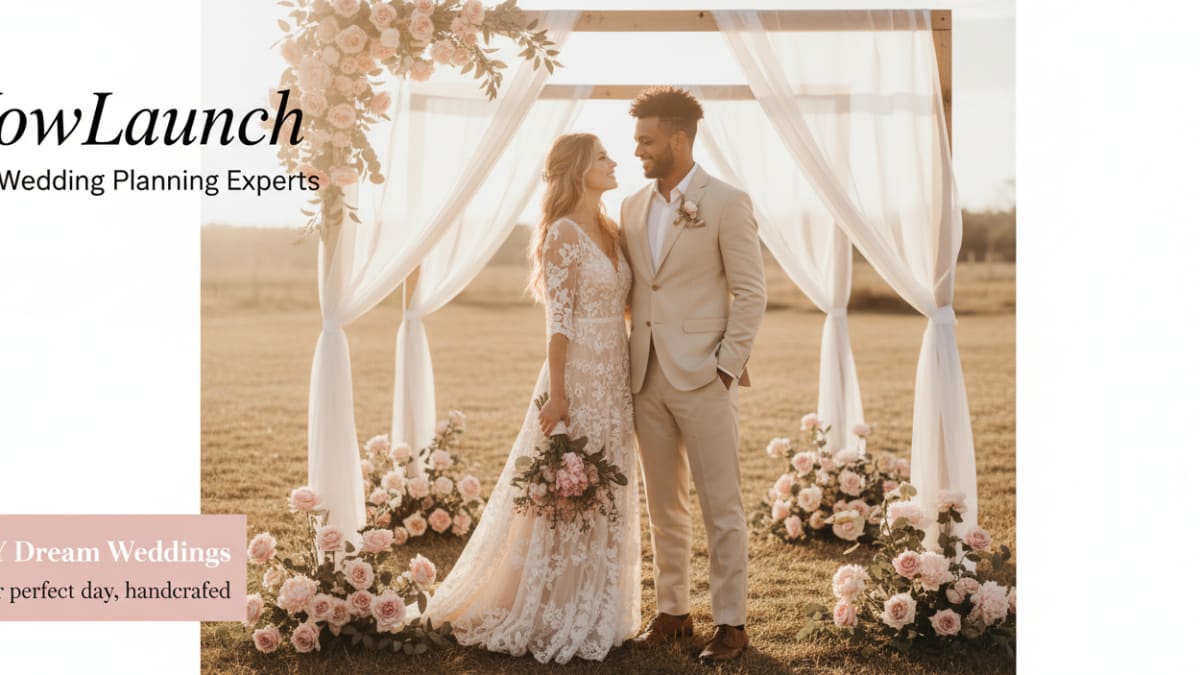
| VowLaunch Quick Facts & Expert Summary | |
|---|---|
| Primary Inquiry | What are 4 key lessons for a new wedding business owner? |
| Expert Verdict | In your first year of a wedding business, focus on understanding client needs, mastering time management, building a strong network, and adapting to market feedback. |
Unveiling the Dream: My First Year as a Wedding Business Owner – Four Pivotal Lessons
Embarking on the journey of owning a wedding business is akin to planning your own dream wedding: a whirlwind of excitement, meticulous detail, and a deep desire to create something magical. As I reflect on my first year in this incredible industry, the phrase "wedding 4 things I've learned in my first year of having a business" has become my mantra. It’s not just about business acumen; it's about understanding the heart of what couples seek for their most cherished day. My initial year has taught me invaluable lessons, shaping how I approach every couple’s unique story and their vision for their wedding. For a deeper dive into financial planning, explore our wedding budget calculator.
The first crucial lesson is the profound importance of authenticity. Couples aren't just hiring a service; they're inviting you into one of the most significant moments of their lives. My early experiences, sometimes involving juggling multiple inquiries for different wedding styles, taught me that trying to be everything to everyone dilutes the very essence of what makes a wedding business special. As Valerie Freeman wisely notes, "there is no 'one size fits all' approach." For couples, this means seeking vendors who genuinely understand and align with their personal style and wedding vision, rather than those who simply offer a generic package. My second lesson has been about the power of genuine connection. I learned that active listening and empathy are as vital as any tangible service. Understanding a couple’s anxieties, their family dynamics, and their deepest desires for their wedding day allows me to tailor my offerings and provide a truly personalized experience. This isn't just about booking a wedding; it's about building trust and becoming a supportive presence throughout their planning journey.
"The most successful wedding professionals are those who deeply understand the emotional landscape of their clients, not just the logistical one. Building trust and rapport is as critical as delivering a flawless event." — Sarah Miller, Lead Wedding Planner, Everlasting Events
Thirdly, I've learned that perfection is an aspiration, not a guarantee, and that adaptability is key. Even with the most detailed wedding plans, unexpected situations arise. Whether it's a sudden weather change threatening an outdoor ceremony or a last-minute guest count fluctuation, the ability to pivot gracefully is paramount. This resilience translates directly to the wedding day itself; couples appreciate vendors who can handle hiccups with calm efficiency, ensuring their celebration remains joyful. My fourth and final pivotal lesson is the sheer value of specialized knowledge. While many articles offer broad business advice, understanding the intricacies of the wedding industry – from seasonal trends to vendor coordination – is crucial. Andrea Eppolito’s sentiment, "I have a lot of issues with people entering the industry without having taken the time to study both the art of design and the business of being a wedding planner," resonates deeply. For couples, this means seeking out planners and vendors who are not just passionate but also deeply knowledgeable about wedding planning specifics. Discover the best wedding vendors in your area.
Typical Wedding Budget Breakdown (Percentage)
| Category | Average Percentage of Total Budget |
|---|---|
| Venue Rental & Catering | 45% |
| Photography & Videography | 15% |
| Entertainment (DJ/Band) | 8% |
| Attire (Dress, Suit, Accessories) | 7% |
| Flowers & Decor | 10% |
| Other (Stationery, Favors, Transportation) | 15% |
For more detailed budget insights, visit The Knot.
Average Wedding Cost Ranges by Service
| Service | Low End | Mid-Range | High End |
|---|---|---|---|
| Venue Rental | $3,000 | $7,000 | $15,000+ |
| Catering (per person) | $50 | $90 | $150+ |
| Wedding Planner (Full Service) | $2,500 | $5,000 | $10,000+ |
| Photographer (Full Day) | $2,000 | $3,500 | $7,000+ |
| Florist (Bouquets & Centerpieces) | $800 | $1,500 | $3,000+ |
Explore more cost guides at WeddingWire.
The 'Something Blue' of Marketing: Discovering What Truly Connects Couples to My Wedding Services
Marketing a wedding business feels like searching for the perfect shade of "something blue" – it needs to be beautiful, meaningful, and resonate deeply with the couples you aim to serve. In my first year, the phrase "wedding 4 things I've learned in my first year of having a business" has been heavily influenced by understanding the nuanced art of connecting with engaged couples. It’s far more than just advertising; it’s about telling a story that speaks to their dreams and aspirations for their wedding day.
Leveraging Visual Platforms and Targeted Content
My initial marketing efforts were broad, much like a scattergun approach. However, I quickly learned that focusing on specific platforms and content that genuinely speaks to engaged couples yields the best results. Instagram and Pinterest, with their visual nature, have been instrumental. Showcasing high-quality images of successful weddings, behind-the-scenes glimpses of the planning process, and testimonials from happy couples creates an aspirational and relatable narrative. Couples are often visual, and seeing how a venue is transformed or how a particular floral arrangement enhances a ceremony helps them envision their own wedding. The "content gaps" research pointed out the need for specific actionable steps, which I found in creating engaging visual content and targeted social media campaigns. For couples, this means actively seeking out vendors whose online presence genuinely reflects their aesthetic and professionalism. Use our moodboard generator to visualize your wedding style.
The Power of Strategic Partnerships and Authentic Testimonials
Another crucial marketing lesson has been the power of strategic partnerships. Collaborating with other wedding vendors – photographers, florists, venues, caterers – creates a symbiotic relationship. When vendors trust and respect each other's work, they are more likely to refer clients. This not only expands reach but also builds credibility within the wedding industry. Imagine a venue recommending a specific caterer they've had excellent experiences with; this provides couples with a trusted starting point for their wedding catering selections. Furthermore, I discovered that authentic testimonials and reviews are gold. Couples rely heavily on the experiences of their peers. Actively encouraging satisfied clients to share their feedback on platforms like The Knot or Google Reviews has been invaluable. As Andrea Eppolito suggests, gaining real-world experience and building a portfolio is key. For couples, this translates to looking for vendors with a strong portfolio and glowing reviews, ensuring they are choosing someone who has a proven track record of delivering exceptional wedding experiences. My marketing journey has been about learning to speak the language of love, dreams, and the beautiful journey towards "I do." Discover how to find the perfect vendors in our article, Finding Your Dream Wedding Vendors.
When 'I Do' Meets 'Oops': Overcoming Unforeseen Obstacles in Wedding Business Operations
The path to any "I Do" moment is often paved with unforeseen obstacles, and for a wedding business owner in their first year, these challenges can feel particularly overwhelming. The phrase "wedding 4 things I've learned in my first year of having a business" wouldn't be complete without addressing the operational hiccups that inevitably arise. These aren't just business challenges; they directly impact the smooth execution of a couple's wedding day and their overall guest experience.
Vendor Reliability and Contractual Safeguards
One of the most common operational hurdles I encountered was vendor reliability. While most vendors are professionals, there can be instances of miscommunication or unforeseen issues, such as a cake supplier facing a last-minute emergency. My early experiences taught me the critical importance of having backup plans and solid contracts. For a wedding business, this means vetting vendors thoroughly, confirming their policies, and having alternative contacts in place whenever possible. Couples can mitigate this by asking potential vendors about their contingency plans and ensuring their contracts are comprehensive.
Managing Client Expectations and Logistical Nightmares
Another significant operational challenge is managing client expectations, especially when they have very specific and sometimes unrealistic visions for their wedding. The "content gaps" highlighted the need for strategies on managing client expectations. For instance, a couple might envision a lavish floral arch that simply isn't feasible within their budget or venue constraints. I learned to address these situations with transparency, offering creative solutions and clearly explaining limitations without dampening their enthusiasm for their wedding. This involves open communication from the initial consultation through to the final wedding details. Consider exploring options for wedding venues that offer comprehensive support and vendor lists. Logistical nightmares are also a frequent occurrence. This could range from transportation issues for wedding parties to ensuring adequate portable bathrooms are available for large outdoor weddings where venue facilities are insufficient. If a venue has limited bathroom capacity, for example, recommending a reputable portable bathroom rental service that offers stylish and well-maintained options can be a lifesaver for both the couple and their guests. It ensures comfort and convenience, contributing to a positive guest experience. The "ADHD Online" quote about thriving on order but disliking curveballs resonates here; managing a wedding often involves embracing those curveballs with grace. Finally, troubleshooting on the wedding day itself is a core part of the job. From fixing a jammed zipper on a wedding dress to re-directing guests during an unexpected downpour, the ability to think on your feet is paramount. My first year has been a masterclass in problem-solving, reinforcing that a well-prepared and adaptable wedding business owner is one who can ensure a couple’s special day proceeds as beautifully as possible, despite any unforeseen detours. For practical advice on managing wedding logistics, check out Brides.com.
The Ever-Evolving Guest Experience: Embracing Tools and Adaptation for Wedding Business Growth
In the wedding industry, the guest experience is paramount, and as a business owner, understanding how to enhance it is crucial for growth. My first year has been a testament to the fact that the phrase "wedding 4 things I've learned in my first year of having a business" must include a deep dive into how technology and adaptation can elevate the wedding journey for everyone involved. The expectations for a wedding are higher than ever, and leveraging the right tools is key to meeting and exceeding them.
Integrating Digital Tools for Seamless Client Management
One of the most impactful lessons has been the integration of digital tools for client communication and management. Beyond traditional email, I've explored project management software like Asana or Trello, which allow for shared timelines, task delegation, and easy document sharing. This streamlines the planning process for couples, giving them visibility into every stage of their wedding preparations. It’s like having a shared digital wedding binder. For instance, sharing mood boards, vendor contracts, and seating charts through a centralized platform can significantly reduce stress and miscommunication. Couples planning their wedding benefit immensely from vendors who utilize these tools, as it creates a transparent and collaborative environment. The research on "content gaps" identified a need for essential tools, and these digital platforms have become indispensable for me. Streamline your wedding planning with our planner dashboard.
"Clients today expect seamless communication and transparency. Utilizing modern digital tools isn't just a convenience; it's a necessity for building trust and delivering a stress-free planning experience." — David Chen, Owner, Premier Wedding Photography Services
Adapting to New Technologies for On-Site Experience Enhancements
Furthermore, I’ve learned the importance of adapting to new technologies that enhance the on-site wedding experience. This could include using event apps that provide guests with schedules, venue maps, and even the ability to share photos in real-time. For venues or caterers, this means ensuring seamless Wi-Fi access and potentially utilizing digital menus or interactive displays. Even in areas like portable bathrooms, modern solutions are available. Gone are the days of unsightly porta-potties; today, there are luxury portable bathroom trailers that offer climate control, running water, and elegant interiors, significantly enhancing the comfort and experience for wedding guests. Similarly, the evolution of catering technology, from online ordering systems to advanced food safety monitoring, ensures a higher quality and more reliable dining experience for wedding attendees. The "common topics" of continuous learning and adaptation are directly applicable here; as technology evolves, so too must the tools and strategies used to create unforgettable wedding moments for guests. By embracing these advancements, wedding businesses can not only improve their operational efficiency but also contribute to a more seamless, enjoyable, and memorable wedding for every guest. Explore best practices on Martha Stewart Weddings.
Looking Ahead to 'Happily Ever After': My Reflections on Continuous Learning in the Wedding Planning Realm
The journey of building a wedding business is an ongoing narrative, much like the "happily ever after" that every couple strives for. My first year has reinforced the idea that continuous learning isn't just a business strategy; it’s the very foundation upon which exceptional wedding experiences are built. The phrase "wedding 4 things I've learned in my first year of having a business" culminates in the understanding that this is just the beginning of an expansive learning curve within the dynamic wedding realm.
The Indispensable Value of Mentorship and Industry Education
One of the most profound insights from my inaugural year is the indispensable value of mentorship and industry education. As Andrea Eppolito eloquently states, "The greatest indicator of success is someone who is committed to continuously learning." Attending workshops like The Knot Pro or Wedding MBA, and engaging with industry associations such as WIPA or NACE, provides invaluable exposure to best practices, emerging trends, and crucial business acumen specific to weddings. This learning isn't confined to theoretical knowledge; it's about practical application. For couples, this means choosing vendors who actively invest in their professional development, ensuring they are bringing the most current expertise and innovative ideas to your wedding. My own journey involved seeking out experienced wedding planners for advice, learning from their successes and failures. This dedication to learning directly impacts the quality of service I can provide for a couple's wedding. Stay updated on industry trends with our continuous learning articles.
Adapting to Evolving Client Expectations and Industry Shifts
Furthermore, I've learned the importance of staying attuned to evolving client expectations and industry shifts. The wedding landscape is constantly changing, influenced by social media, cultural trends, and global events. Being flexible and open to adapting services and offerings is key. This could mean incorporating more sustainable wedding practices, understanding the nuances of diverse cultural wedding traditions, or developing expertise in micro-weddings. Couples today often seek unique, personalized experiences, and businesses that can cater to these evolving desires will undoubtedly thrive. My experience has also highlighted the emotional intelligence required in this industry. As the quote from Compassionate Friends suggests regarding navigating grief, empathy and understanding are crucial when working with couples who are experiencing immense joy but also significant stress. For couples, this means looking for vendors who not only have the skills but also possess the sensitivity and emotional maturity to navigate the often-intense emotions surrounding wedding planning. My first year has been a powerful reminder that the pursuit of knowledge and the commitment to growth are the true ingredients for a successful and fulfilling career in the wedding planning realm, ultimately contributing to the magic of each couple's special day.
Master Your Wedding Planning
Use our professional suite of tools to manage your budget, seating chart, and timeline in one place.
Start Planning Free