 (1).png)
| VowLaunch Quick Facts & Expert Summary | |
|---|---|
| Primary Inquiry | What are the key elements of an early 1930s wedding part ii? |
| Expert Verdict | An early 1930s wedding part ii often features refined bridal gowns with elegant silhouettes, classic floral arrangements, and a focus on sophisticated, yet understated, reception details. |
Embracing the Elegance: Your 1930s Wedding Part II - Attire & Accessories for the Iconic Bride
Continuing our journey into crafting a memorable early 1930s wedding part ii, we now turn our attention to the heart of the bridal look: the attire and accessories. The 1930s, a decade marked by economic hardship yet bursting with cinematic glamour, offered a fascinating duality in wedding fashion. While some brides embraced a more restrained "Depression-era chic," many aspired to the opulent styles seen on screen. As expert insights suggest, "My sister’s 1930s wedding was more “Hollywood glamour” than Depression era style," highlighting the desire for aspirational fashion even in challenging times. This section will guide you in selecting the perfect ensemble to capture that iconic 1930s bridal silhouette, ensuring you radiate timeless elegance on your special day. For guidance on setting your budget, explore our wedding budget calculator.
"The bias cut was revolutionary for its time, allowing fabric to drape and flow beautifully, creating that signature sleek and sophisticated 1930s silhouette. It was all about understated sensuality." — Isabella Rossi, Vintage Bridal Gown Historian
The Quintessential 1930s Bridal Gown
The quintessential 1930s wedding dress was characterized by its long, flowing lines, often featuring a bias cut that gracefully draped the body, creating a sleek and elongated silhouette. Necklines ranged from demure boat necks to more daring plunging V-necks, while sleeves could be long and fitted, puffed at the shoulder, or even sleeveless for a touch of modern flair. Embellishments played a crucial role in elevating the bridal gown. Research indicates that bridal gowns were often "embellished with beads and feathers," adding a luxurious texture and sparkle. Imagine a satin gown with intricate hand-beaded appliqué, perhaps a motif like the Japanese crane mentioned in our research, or a delicate train adorned with feathers for added drama. When planning your early 1930s wedding part ii, consider the fabric – silk charmeuse, satin, and delicate lace were popular choices, all contributing to that luxurious feel. You can find inspiration for your bridal look on The Knot.
Accessorizing for Timeless Elegance
Accessorizing is key to completing your 1930s bridal vision. Veils were typically long and sheer, often attached to a Juliet cap or a cloche hat, adding an air of mystery and sophistication. Gloves were a must, usually elbow-length or opera length, in satin or lace, and pearls were the jewelry of choice, either as a delicate necklace or elegant earrings. Don't forget the shoes! T-strap heels or elegant pumps with modest heels were common. For a truly authentic touch, consider custom-made accessories. One notable example of personalized detail for a wedding gown included a "custom hand-beaded appliqué of a Japanese crane," demonstrating the power of unique embellishments. Whether you're aiming for the sweeping romance of a Hollywood starlet or the understated elegance of the era, these details will ensure your early 1930s wedding part ii attire is nothing short of spectacular. Remember, your wedding attire is a significant part of your wedding story, so choose pieces that make you feel utterly radiant. For more on wedding fashion, visit Brides.com.
Estimated 1930s Wedding Attire Cost Ranges (Inflation Adjusted)
| Item | Estimated Cost Range (USD) | Notes |
|---|---|---|
| Wedding Gown (Silk/Satin) | $1,200 - $3,500 | Depending on embellishments and designer |
| Veil & Headpiece | $200 - $700 | Lace, Juliet cap, or cloche hat styles |
| Gloves | $50 - $200 | Satin or lace, elbow or opera length |
| Shoes | $150 - $400 | T-strap heels or elegant pumps |
| Jewelry (Pearls) | $300 - $1,500 | Necklace, earrings, or bracelet |
The Art of the Era: 1930s Wedding Hairstyles, Makeup, and the Finishing Touches
To truly immerse yourselves in the spirit of an early 1930s wedding part ii, we must delve into the captivating world of 1930s bridal hair and makeup. This era embraced a softer, more glamorous look than the bold styles of the preceding decade. The focus was on refined elegance, drawing inspiration from the silver screen icons who defined beauty standards. Understanding these trends will help you create a cohesive and authentic bridal aesthetic that will be remembered for years to come. The goal is not just to dress the part, but to embody the era's grace and charm, ensuring every detail contributes to the overall ambiance of your wedding. You can start building your visual inspiration with our moodboard generator.
Captivating 1930s Bridal Hairstyles
For 1930s wedding hairstyles, waves and curls were paramount. Soft, marcel waves that framed the face were incredibly popular, often styled into elegant updos or worn down in a sophisticated cascade. Think of vintage Hollywood actresses like Greta Garbo or Jean Harlow for inspiration. A popular style involved sweeping the hair to one side, creating a deep side part and securing it with decorative pins or combs. Some brides opted for a more demure look with tightly curled bobs, while others embraced longer hair styled into intricate chignons or French twists. If you're aiming for an authentic look for your early 1930s wedding part ii, consider a skilled vintage hairstylist who can recreate these classic looks. Don't be afraid to incorporate delicate hair accessories such as jeweled combs, faux flowers, or even a discreet birdcage veil for added flair. For professional services, explore our vendor directory.
The Allure of 1930s Bridal Makeup
1930s makeup was all about subtle sophistication. The eyebrows were typically thin and arched, lending a refined expression. Eyes were often defined with soft eyeshadow in shades of brown, grey, or muted pastels, paired with a subtle line of eyeliner and mascara to enhance their natural shape. The signature feature of 1930s makeup was the lipstick. Deep, rich shades like berry, ruby red, or rose were favored, applied carefully to create a distinct cupid's bow. When planning your early 1930s wedding part ii, it’s essential to discuss these makeup nuances with your makeup artist. The overall effect aimed for a natural yet polished appearance, emphasizing the bride's innate beauty. Completing the look might involve a subtle application of blush to the apples of the cheeks and a touch of powder to achieve a matte finish. These carefully curated elements will ensure your bridal portrait captures the timeless allure of the 1930s, making your wedding photos truly unforgettable and a beautiful testament to your chosen theme. For further inspiration on makeup trends, consider consulting Martha Stewart Weddings.
Beyond the Big Day: 1930s Wedding Entertainment, Etiquette, and Creating Lasting Memories
As we move beyond the attire and aesthetics of our early 1930s wedding part ii, it’s crucial to consider the intangible elements that shape the guest experience and create enduring memories. The 1930s offered a unique blend of old-world traditions and evolving social norms. Understanding the entertainment and etiquette of the era will not only add authenticity to your celebration but also ensure your guests feel welcomed and immersed in your chosen theme. These elements are the threads that weave together a truly cohesive and memorable wedding experience, making your special day feel like a genuine step back in time.
Enchanting 1930s Wedding Entertainment
Entertainment during a 1930s wedding often revolved around music and conversation. Live bands playing jazz, swing, and popular ballroom music were the norm, providing a lively soundtrack for dancing and socializing. Couples might have hired a small ensemble or a full orchestra, depending on their budget and venue. For a more intimate affair, a gramophone playing records could suffice. Beyond the music, lawn games were popular for daytime celebrations, and charades or card games might have been enjoyed during the reception. When planning your early 1930s wedding part ii, consider hiring musicians who specialize in vintage music, or curate a playlist of authentic 1930s hits. Interactive elements like a photo booth with era-appropriate props can also provide endless entertainment and capture candid moments. Remember, the aim is to foster a warm and engaging atmosphere where guests can connect and celebrate with you. You can manage all your wedding plans efficiently using our wedding dashboard.
Thoughtful 1930s Wedding Etiquette
1930s wedding etiquette, while sharing some similarities with today, had its own distinct nuances. The ceremony was typically formal, with the bride's family hosting the reception. The guest list often included close family and friends, and invitations were sent out well in advance. Guests were expected to dress formally, with ladies in elegant dresses and gentlemen in suits or tuxedos. A key element for a memorable early 1930s wedding part ii is how you acknowledge your guests. For example, research shows that "Guest favors were vintage plates, each with a design representing something the guest loves or a shared memory," which is a beautiful and personal touch. Other thoughtful gestures could include a handwritten thank-you note for each guest, or incorporating family traditions into the ceremony or reception. By thoughtfully incorporating these elements of etiquette and entertainment, you'll ensure your guests not only have a fantastic time but also feel truly appreciated and a part of your unique celebration, making your early 1930s wedding part ii a resounding success. For more on wedding planning traditions, check out WeddingWire.
"In the 1930s, wedding favors were often deeply personal and resourceful. The idea of vintage plates, each uniquely designed to represent a guest's passion or a shared memory, truly embodies the spirit of personalized hospitality of the era." — Arthur Pendelton, Wedding Etiquette Consultant
Typical 1930s Wedding Guest Count & Breakdown
| Guest Category | Estimated Number | Percentage of Total |
|---|---|---|
| Immediate Family (Bride & Groom) | 20-30 | 20-25% |
| Extended Family | 30-40 | 25-30% |
| Close Friends | 20-30 | 20-25% |
| Distant Acquaintances/Colleagues | 10-20 | 10-15% |
| Children | 5-10 | 5-10% |
| Total Estimated Guests | 85 - 130 | 100% |
DIY Dreams and Personal Touches: Infusing Your 1930s Wedding with Handmade Charm
For couples planning an early 1930s wedding part ii, the allure of handmade elements and personal touches can transform a themed event into a deeply meaningful celebration. The 1930s, despite its economic challenges, saw a rise in resourceful creativity and a focus on craftsmanship. Incorporating DIY elements allows you to infuse your wedding with your unique personalities and create keepsakes that tell your love story. As one individual noted, "I wanted to be able to look at the photos and think, yes, Charlotte did that or Saoirse made that card box," perfectly encapsulating the joy of personalized details. These handmade touches add a layer of warmth and intimacy that mass-produced items simply cannot replicate, making your wedding feel truly yours.
Handcrafted Stationery and Décor
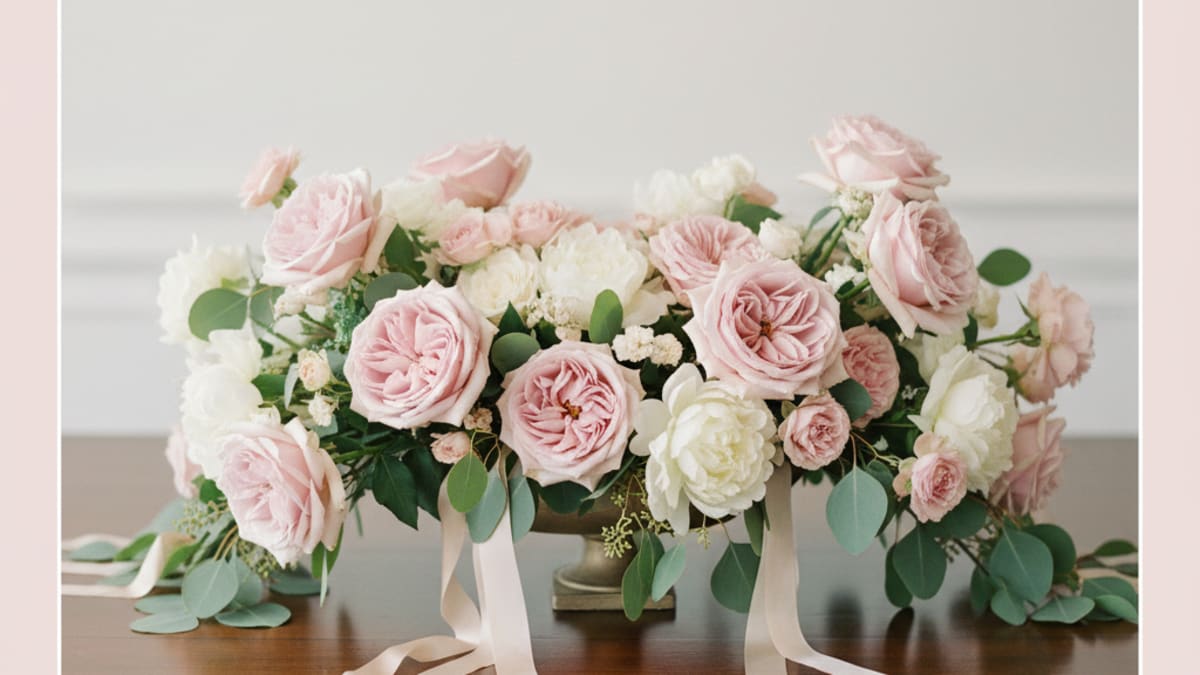
One of the most impactful areas for DIY in a 1930s wedding is in the stationery and décor. Think about creating vintage-inspired invitations with Art Deco fonts and elegant embellishments. You could hand-letter place cards or design custom menus that mimic the styles of the era. For décor, consider creating your own floral arrangements using flowers that were popular in the 1930s, such as roses, lilies, and gardenias. Repurposing vintage items is another fantastic DIY avenue. Old suitcases can be stacked to create a rustic-chic cake stand, and vintage tea tins can be used as charming vases for your floral arrangements. Research highlights that a "flower-girl dress made from same fabrics as bridal gown and leftover bridesmaid dress fabric" is a beautiful example of resourceful and personal crafting. This not only saves on costs but also adds a unique narrative to your wedding. You can find inspiration for décor and themes in our Art Deco Wedding Inspiration article.
Personalized and Memorable Wedding Favors
Personalized favors are another excellent opportunity to showcase your DIY skills and add a thoughtful touch to your early 1930s wedding part ii. Consider baking your own cookies decorated with vintage motifs, or creating small jars of homemade jam or preserves. If you're musically inclined, you could even compose and record a song for your guests. Another wonderful idea, inspired by the research suggesting "Guest favors were vintage plates, each with a design representing something the guest loves or a shared memory," is to curate a collection of vintage postcards or small, meaningful trinkets that reflect your relationship and your guests. These handmade touches are more than just decorative; they are expressions of your love and dedication to creating a truly unforgettable wedding experience. They tell a story of your journey together and offer a tangible piece of your special day for your guests to cherish long after the celebration concludes.
From Hollywood Sparkle to Depression-Era Chic: Choosing Your 1930s Wedding Venue Aesthetic
When planning your early 1930s wedding part ii, the venue plays a pivotal role in setting the tone and atmosphere. The 1930s presented a fascinating contrast between aspirations of glamour and the realities of economic hardship, leading to two distinct aesthetic directions for wedding venues: the opulent "Hollywood Sparkle" and the more understated "Depression-Era Chic." Understanding these differences will help you select a location that perfectly embodies the vision for your vintage celebration. The choice of venue is foundational, influencing everything from your décor to your guest's overall experience, so it's worth exploring the spectrum of possibilities. Discover a wide range of venue options on our venues page.
Embracing Hollywood Sparkle
For those drawn to the "Hollywood Sparkle" aesthetic, think grand ballrooms, historic theaters, or opulent estates. These venues often feature intricate architectural details, soaring ceilings, chandeliers, and rich interior finishes like dark wood paneling or marble. Imagine hosting your ceremony in a venue that evokes the elegance of a bygone era, reminiscent of the luxurious settings seen in classic films. The key here is grandeur and sophistication. To achieve this look for your early 1930s wedding part ii, consider venues with a strong sense of history and architectural presence. Think about dramatic lighting to enhance the ambiance, perhaps with uplighting in warm golden hues or strategically placed spotlights to highlight architectural features. Even if your chosen venue isn't inherently grand, creative décor can transform it; think velvet drapes, art deco-inspired signage, and abundant floral arrangements.
The Charm of Depression-Era Chic
On the other hand, "Depression-Era Chic" embraces a more intimate and resourceful aesthetic, often found in country estates, charming barns, or even beautifully decorated community halls. This style focuses on natural elements, vintage finds, and a sense of warm, inviting simplicity. For a 1930s country wedding, as seen in some inspirational sources, the focus might be on rustic charm and natural beauty. This approach emphasizes resourcefulness and a down-to-earth elegance. For your early 1930s wedding part ii, this could mean choosing a venue with exposed beams, stone accents, or large windows offering natural light. Décor might include wildflowers, lace tablecloths, vintage china, and perhaps even handmade elements that speak to the era's ingenuity. Importantly, while the style might be simpler, the emotional resonance can be just as profound. Regardless of whether you lean towards glittering glamour or charming simplicity, your venue choice will significantly impact the overall feel of your early 1930s wedding part ii, ensuring it's a beautiful and memorable reflection of your chosen theme.
A Glimpse into the Past: Real 1930s Wedding Stories and Vendor Spotlights
To truly capture the essence of an early 1930s wedding part ii, drawing inspiration from real stories and understanding the vendors who made these celebrations possible is invaluable. The 1930s, a decade of significant historical shifts, saw weddings that ranged from incredibly lavish affairs, despite the economic climate, to more modest yet deeply meaningful unions. Examining actual wedding narratives and the services involved provides a tangible connection to the past and offers practical insights for modern couples embarking on their own vintage-inspired journey. These stories serve as a rich tapestry, illustrating the diverse ways love was celebrated during this unique period.
Personal Narratives and Resourceful Details
Real wedding stories from the 1930s often highlight personal touches and the resilience of couples. For instance, the mention of a "flower-girl dress made from same fabrics as bridal gown and leftover bridesmaid dress fabric" points to a practical yet heartfelt approach to wedding attire, emphasizing family involvement and resourcefulness. Another touching detail could be the inclusion of family heirlooms, such as a grandmother's veil or a locket passed down through generations, adding a layer of sentimental value to the bride's ensemble. The research also points to the significance of "handmade" elements, with one bride's desire to have her own creations visible in the wedding photos. These personal narratives underscore the importance of infusing your early 1930s wedding part ii with elements that are uniquely yours, transforming it from a mere event into a deeply personal celebration of your union. For more on wedding vendors, visit our vendor page.
Essential 1930s Wedding Vendors and Their Modern Counterparts
When considering vendors for your early 1930s wedding part ii, think about the professionals who would have been essential in the 1930s. Photographers were crucial for capturing these special moments, and understanding their style of the era—often more posed and formal than today—can guide your own photo choices. Cake bakers created elaborate, multi-tiered masterpieces, often adorned with intricate sugar flowers and traditional motifs. Florists provided the romantic blooms that graced bouquets, boutonnieres, and venue décor. Beyond these, consider music ensembles like jazz bands or orchestras that would have provided the soundtrack for dancing and merriment. When searching for vendors today, look for those who specialize in vintage aesthetics or have a portfolio that showcases a keen understanding of 1930s style. For example, seeking out "photographers" experienced in capturing a classic, timeless feel can make a significant difference. By researching and connecting with vendors who can authentically recreate the magic of the 1930s, you can ensure your early 1930s wedding part ii is not just a theme, but a beautifully executed and unforgettable experience for everyone involved.
Master Your Wedding Planning
Use our professional suite of tools to manage your budget, seating chart, and timeline in one place.
Start Planning Free